The results of UNTWIST are beginning to bear fruit, with the project’s research efforts materialising in scientific publications that provide new insights into sustainable biofuel production. More publications will be made available in the coming months.
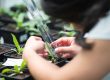
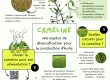
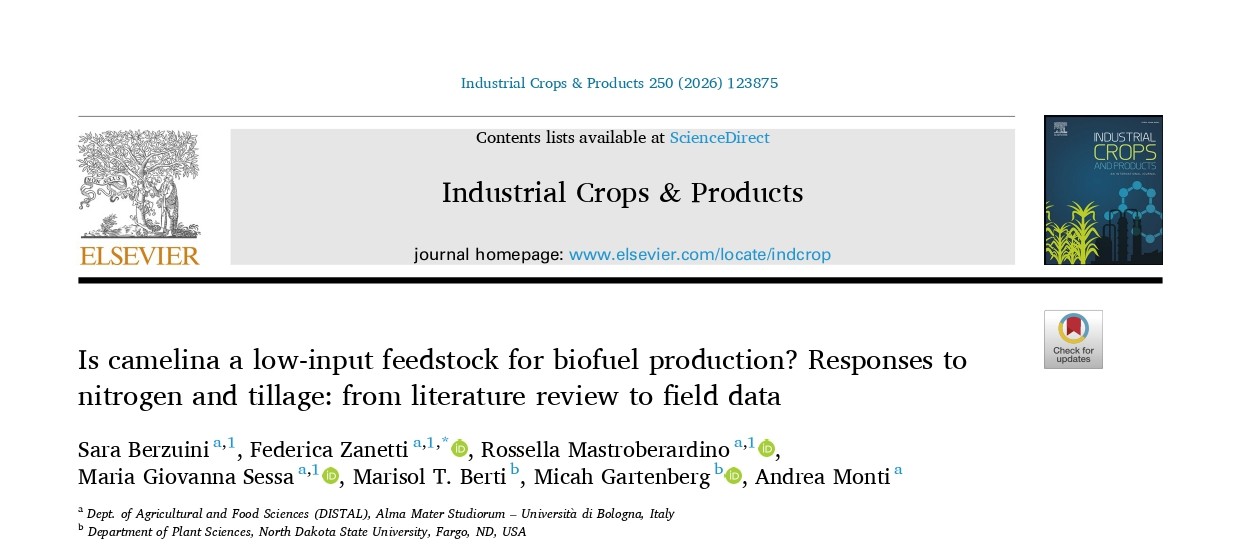
A new study involving the University of Bologna (UNIBO), a UNTWIST project partner, explores the potential of camelina (Camelina sativa) as a low-environmental-footprint feedstock for renewable fuel production.
The study investigates how nitrogen fertilisation, sowing date and tillage practices affect camelina yields and greenhouse gas emissions in northern Italy. Results show that later sowing, minimum tillage and nitrogen fertilisation of at least 60 kg N/ha led to the highest seed and oil yields.
At the same time, the study found that avoiding nitrogen fertilisation resulted in the lowest carbon intensity, mainly by reducing N₂O emissions associated with fertilisers and crop residues.
These findings contribute to a better understanding of the balance between productivity and environmental performance, supporting the development of more sustainable pathways for camelina-based biofuels.
Read the full publication and discover the results of the study.