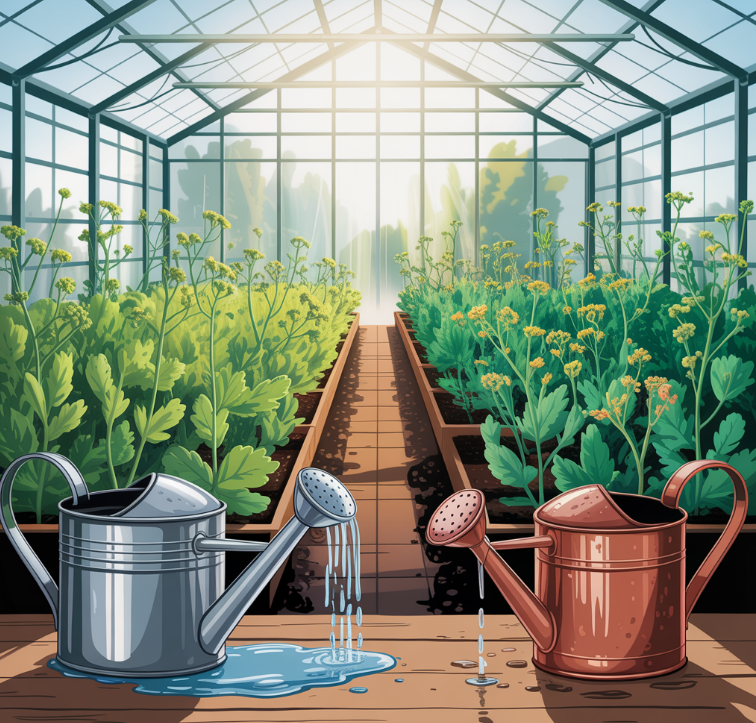
Lipids mitigate the impact of stress and are important for seed oil yield and quality. The effects of drought on camelina lipid metabolism were investigated in a controlled environment trial at the Bologna University experimental farm. Four camelina lines, selected from a larger collection based on their diverse response to drought stress, were investigated for their lipid response to drought in lysimeters under favourable and drought conditions imposed from the start of flowering. Water deficit typically causes a reduction in seed oil, coupled with a change in oil composition (fatty acids). This occurs through the direct impact of abiotic stress on fatty acid desaturase activity, resulting in oilseeds with a greater accumulation of saturated fatty acids and oleic acid, and reduced accumulation of polyunsaturated fatty acids. The experiment identified line specific differences in seed oil content in response to drought e.g. one line maintained its seed oil content in drought whilst oil content in another line declined.

Image content credit: International Journal of Molecular Sciences
Furthermore, at harvest the four lines showed significantly different seed oil fatty acid composition following drought e.g., oleic, linoleic and linolenic fatty acids were affected by the line. The two lines were rich in oleic and linolenic acid, another line had a high content of linoleic acid and low levels for oleic and linolenic acid, while the fourth line had intermediate values of all the main fatty acids. The analysis revealed how camelina modifies seed oil content and fatty composition in response to drought and showed that different camelina lines exhibit specific responses, suggesting camelina lines with greater resilience to water stress can be identified.